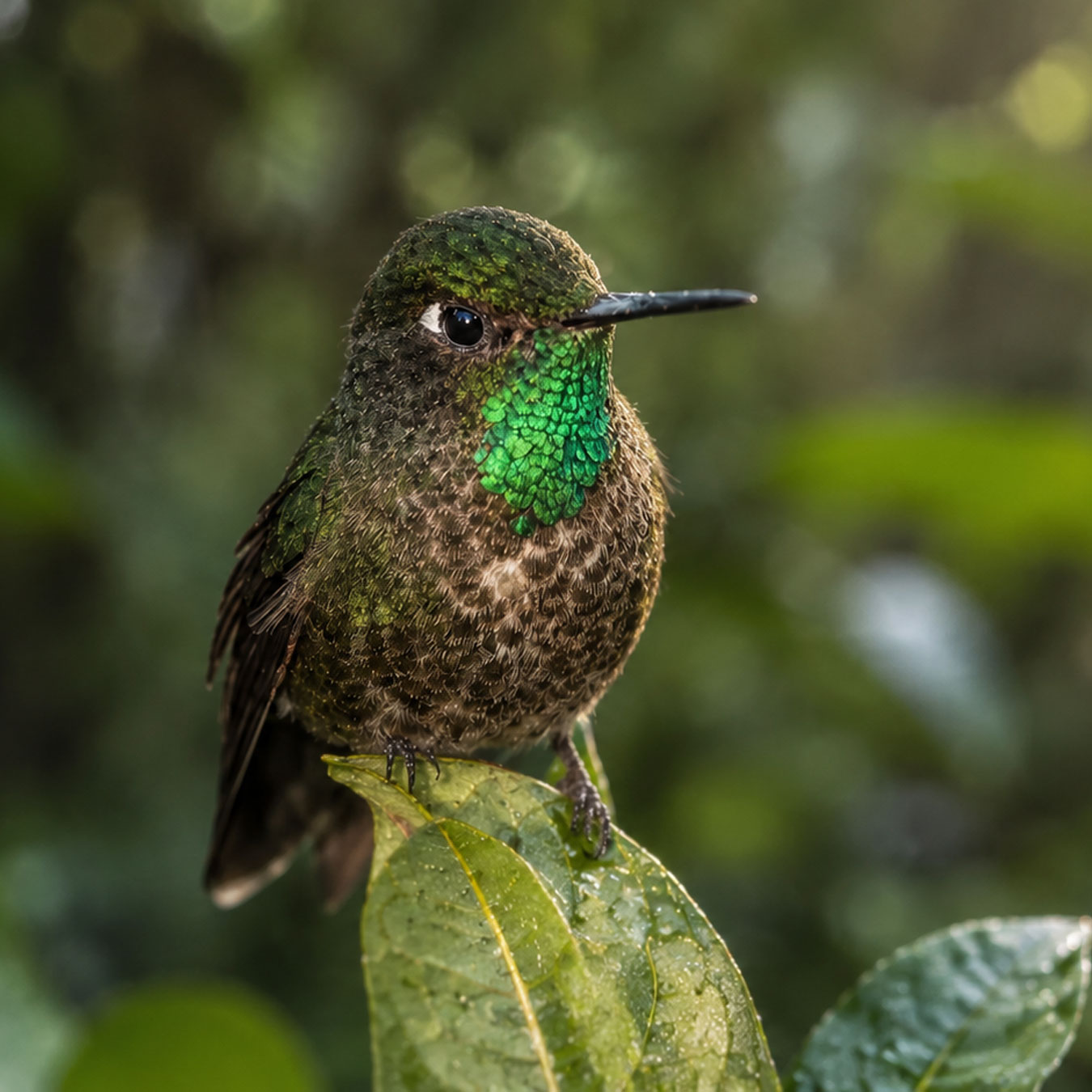






Q’inti is the Quechua word for hummingbird. In Andean culture it represents rebirth, and its wingbeat is a symbol of infinity.

EN

CULTURAL
& NATURE TRIPS

The Sacred Valley of the Incas.

Also known as Urubamba Valley is located in the Peruvian Andes, beneath the world famous site of Machu Picchu and not far from Cuzco, the cultural capital of Peru. This fertile valley is fed by a network of waterways and encompasses a wealth of important archaeological sites.

CUSCO THE CULTURAL CAPITAL

Cusco’s most important landmarks include sites from both Inca and colonial times, such as the Koricancha Temple and Plaza de Armas. It is also known for its vibrant local markets like San Pedro Market. The city is famous for its rich atmosphere, and the archeological park of Sacsayhuamán offers visitors a closer look at the city’s history and culture. The city’s architecture reflects the fusion of both indigenous Inca and Spanish colonial influences.

Cusco the cultural capital

MARAS Y MORAY

According to historical tradition, the salt pans of Maras predate the Incan Empire, although legend tells that they were inherited by the Incas. The terraced structures of Moray are believed to have been an agricultural research center of the Incas, conceived as an independent irrigation system.

Maras y Moray

OLLANTAYTAMBO

The historic and ancient city of Ollantaytambo, once a fortress in the fight against the Spanish conquistadors in the 16th century, later became one of the last refuges of the neo-Inca state in Vilcabamba. These archaeological remains are among the most impressive Inca ruins in the Sacred Valley. Ollantaytambo is also one of the most convenient starting points for the Inca Trail.

Ollantaytambo

PISAC

The Inca civilization boasts of some of the best preserved Inca Ruins in the Sacred Valley. Pisac’s ruins themselves are a sight to behold. Perched on a ridge above and following the crest for some of the hour after visiting the impressive ruins one enjoys a hike down the trail.

Pisac